
1: Himalayan Pink Rock Salt
Quality:Mined primarily from the historic Khewra Salt Mine (and the wider Salt Range), this salt is famously 99% pure sodium chloride. Its iconic pink-to-red hue comes from natural trace minerals like iron, potassium, magnesium, and calcium. It is 100% organic and free from modern marine pollutants.
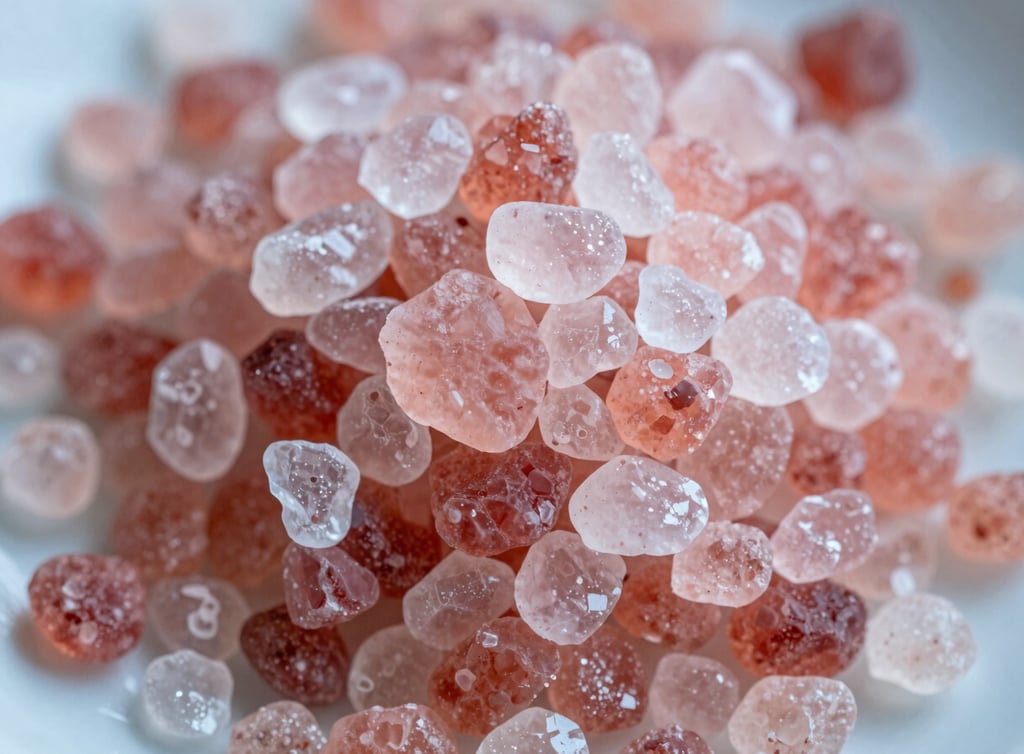
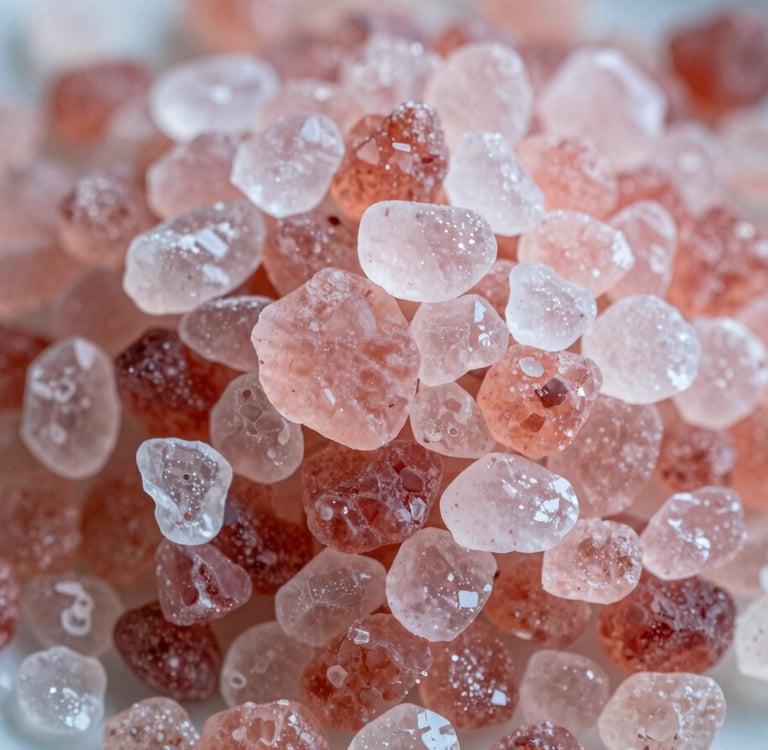
Uses:Highly prized as a premium gourmet cooking salt, therapeutic spa slabs, cosmetic scrubs, animal nutrition blocks, and stunning decorative salt lamps.
Advantages:Pakistan holds an estimated 22.2 billion tons of rock salt reserves and is the world's exclusive source of genuine "Himalayan Pink" salt, making it an undisputed global monopoly.
2: Industrial Quartz
Quality:Extracted across the rugged terrains of Khyber Pakhtunkhwa (KPK) and the northern regions, Pakistani quartz features high silica purity, extreme hardness, and brilliant crystalline structures.
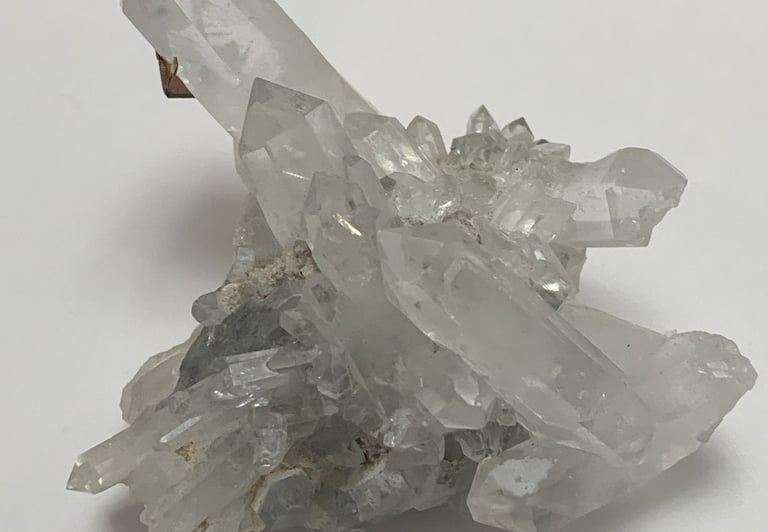
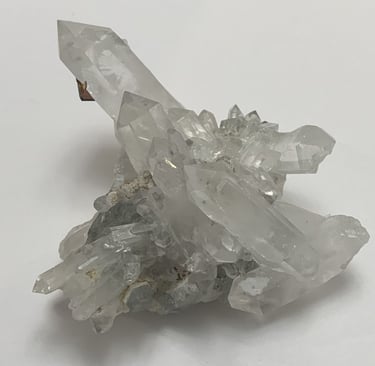
Uses:Essential for manufacturing high-end glass, ceramics, kitchen countertops, and silicon wafers for electronics, semiconductors, and solar panels.
Advantages:Abundant surface-level deposits mean exceptionally low extraction costs, offering global buyers a highly competitive price-to-purity ratio
Quality: Grown in the sun-drenched Indus River basin, Pakistani cotton is celebrated for its excellent fiber strength, high absorbency, and natural adaptability to high-grade spinning.
3: Cotton Raw& Processed
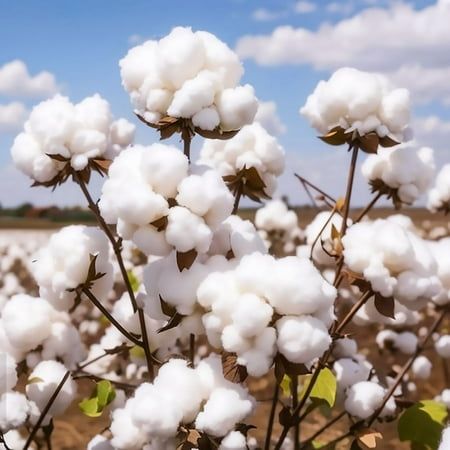
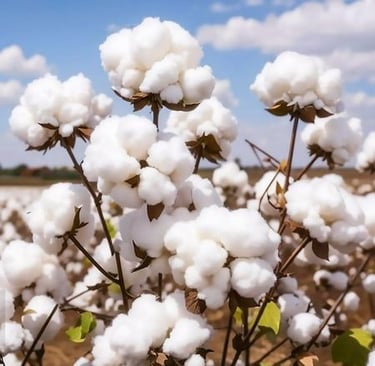
Uses:The vital raw material for cotton yarn, denim fabrics, medical gauze, and luxury apparel.
Advantages:As one of the world's top producers of cotton, Pakistan's crop feeds a fully integrated domestic supply chain, ensuring fast turnaround times from farm to fabric.
4: Textile
Quality:Pakistan boasts a completely vertically integrated textile industry—meaning everything from ginning, spinning, weaving, and dyeing to final garment stitching happens seamlessly in-country.
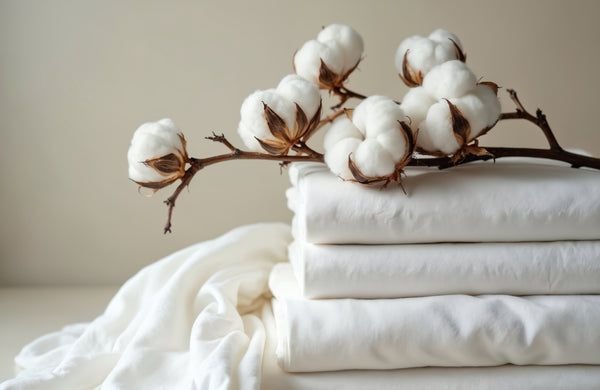
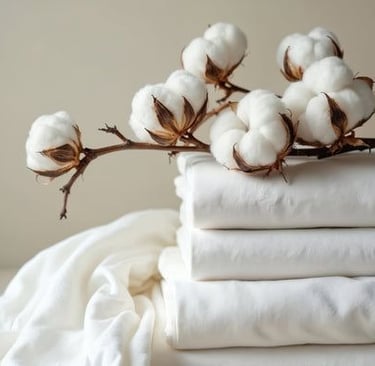
Uses:Supplying international retail giants with home textiles (bed linens, towels), premium denim, sports apparel, and fast-fashion clothing.
Advantages:Unbeatable craftsmanship, highly competitive labor dynamics, and strategic trade statuses (like GSP+) make Pakistani textiles the preferred choice for major brands across Europe and North America.
5: Mangoes
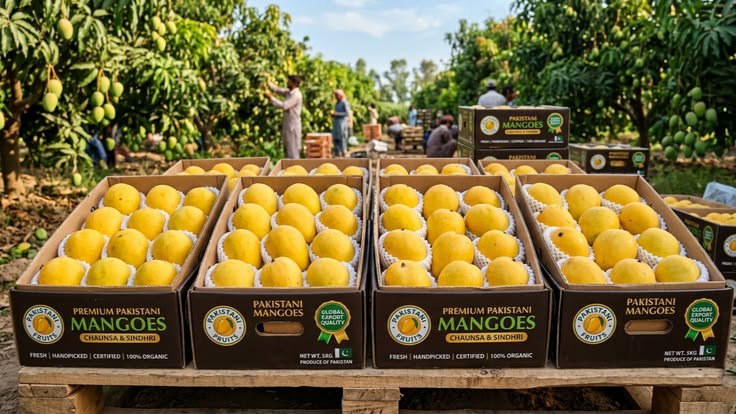
Quality: Sindhri: Known for its distinct elongated shape, beautiful lemon-yellow skin, and firm, fiberless flesh. It possesses a pleasantly mild aroma and a delicate, refined sweetness.Chaunsa: Widely considered the tastiest mango variety in the world. It has a pale-yellow color, an incredibly rich, perfume-like fragrance, and an intensely sweet, juicy pulp that practically melts in the mouth.Anwar Ratol: Smaller in size but packed with an explosive, high-octane sweet flavor and a heavy, intoxicating aroma that can fill an entire room.Langra & Dussehri: Langra remains slightly green even when fully ripe, offering a unique, slightly tangy-sweet complexity. Dussehri is sweet, aromatic, and features an iconic long, slender shape with very thin seeds.
6: Copper
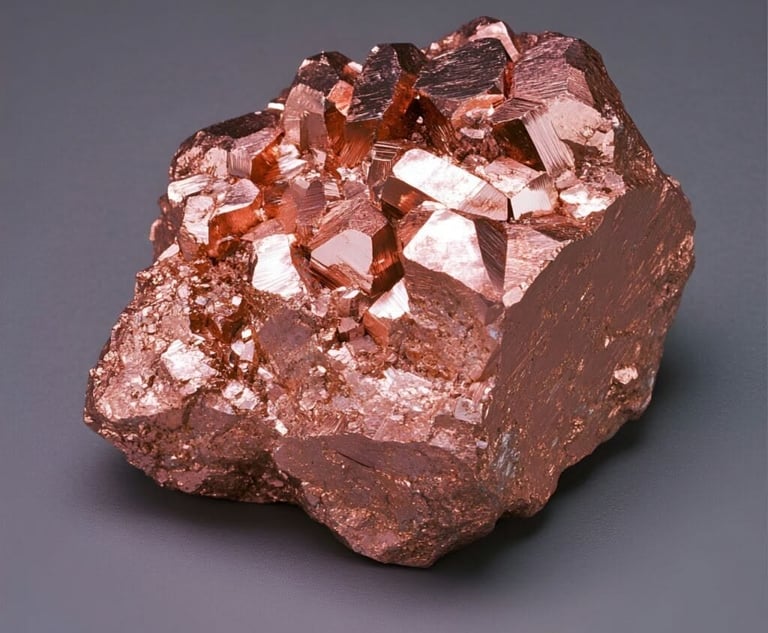
Quality:Recognized as one of the largest undeveloped copper-gold porphyry deposits in the world, Reko Diq holds an estimated 5.9 billion tons of ore. It features an exceptionally favorable porphyry structure, allowing for highly efficient, massive-scale open-pit mining.
Uses:It can be drawn into ultra-thin, highly flexible wires without fracturing or losing structural integrity.Copper can be melted down and reused indefinitely without a single drop in its chemical purity or performance grade.
Advantages:Copper possesses the highest electrical and thermal conductivity of any non-precious metal, serving as the international benchmark (100% IACS) for electrical efficiency.
7: Rice
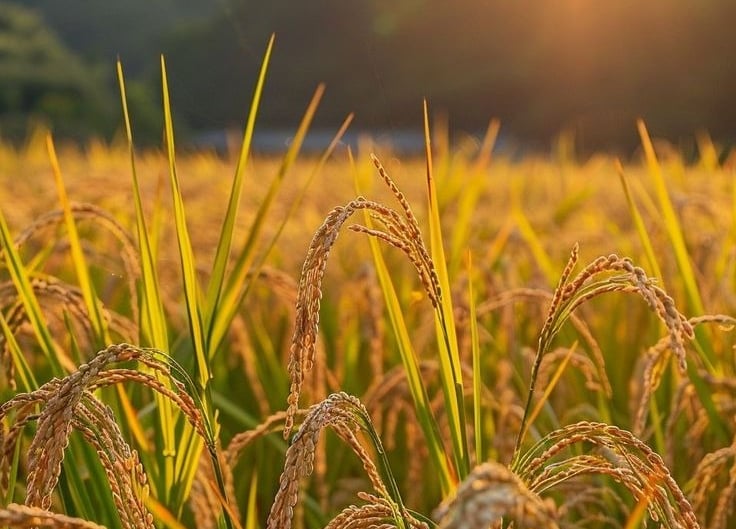
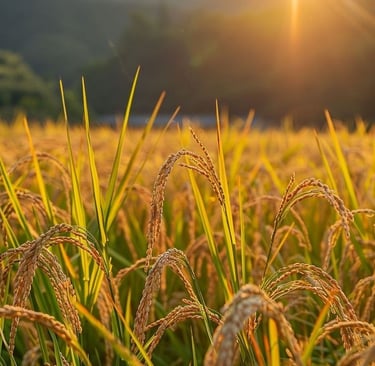
Quality:Supreme variants like the 1121 Basmati carry an uncooked grain length of up to 8.4 mm. Upon cooking, the grain stretches to over 2.2 times its original length.
Uses:Premium Basmati is the mandatory standard for high-end international catering, luxury hotels, and iconic traditional dishes like Biryani, Pulao, and long-grain Mandi.
Advantages:The combination of abundant sunshine, hot summer months, and precise seasonal monsoon rains across the Punjab and Sindh regions gives Pakistani rice its distinct texture and premium nutrient profiles.